
E306: Mastering Perimenopause Nutrition: Your Simple Guide to Hormonal Harmony and Gut Health

If you are a woman in your 40s or 50s, you’ve likely felt it: the sudden, unexplained shift. Maybe you’re waking up at 3:00 AM for no reason, feeling a new sense of "stress intolerance" during a normal workday, or noticing that the lifestyle habits that worked in your 20s simply aren’t moving the needle anymore.
You aren't alone. You are likely navigating the transition known as perimenopause. While this phase of life is often described as something to simply "endure," Dr. Amy Shah, a double board-certified MD in immunology, allergy, and internal medicine, believes it is actually an invitation to redesign your health.
Optimizing your perimenopause nutrition isn’t just about weight or aesthetics; it’s about stabilizing your "master communicator", the gut: to ensure your hormones, brain, and immune system work in harmony. In this blog, we’ll break down Dr. Shah’s science-backed framework for reclaiming your energy and health during the midlife transition.
The Wake-Up Call: From "Superwoman" to Sustainable Wellness
Many women in midlife fall into the "Superwoman" trap. We juggle high-pressure careers, parenting, aging parents, and household management, often putting our own needs at the very bottom of an infinite to-do list.
Dr. Amy Shah lived this reality. Despite being a successful physician and a mother of two, she found herself chronically exhausted and running on fumes. It took a literal car accident, caused by the distraction and fatigue of "doing it all", to make her realize that she was neglecting her internal health.
"I was the classic person who thought I could out-hustle my biology," Dr. Shah shares. Her journey toward healing led her away from the "more is more" mentality and toward a deep understanding of the gut-hormone connection. For midlife women, this connection is the key to moving from surviving to thriving.
The Gut-Hormone Connection: Why Your Microbiome Rules Everything
We often think of our hormones (like estrogen and progesterone) and our gut health as two separate entities. However, Dr. Shah explains that the gut is actually the "super-mom" of the body. It regulates everything from your mood-stabilizing serotonin to your immune response.
The Estrobolome: Your Hormone Manager
Within your gut microbiome is a specific group of bacteria called the estrobolome. These bacteria are responsible for metabolizing and eliminating estrogen. When your gut is unhealthy, estrogen doesn't get cleared properly, leading to "estrogen dominance" or the wild fluctuations that characterize midlife wellness struggles.
The Brain-Gut Axis
Have you noticed "brain fog" or increased anxiety lately? That is the gut-brain axis at work. Because 95% of your serotonin is produced in the gut, an inflamed digestive system often manifests as a "foggy" or anxious mind. By prioritizing your gut, you are effectively prioritizing your mental clarity.
"The gut is the master communicator. If the gut is unhappy, the brain is unhappy, and the hormones are in chaos." — Dr. Amy Shah
The 30– 30–3 Framework: Your Roadmap for Perimenopause Nutrition
Dr. Shah’s approach to perimenopause nutrition is built on a simple, memorable protocol: the 30-30-3 framework. Instead of focusing on restriction, this framework focuses on crowding out the nutrients your body needs to stabilize during hormonal shifts.
1. 30 Grams of Protein in Your First Meal
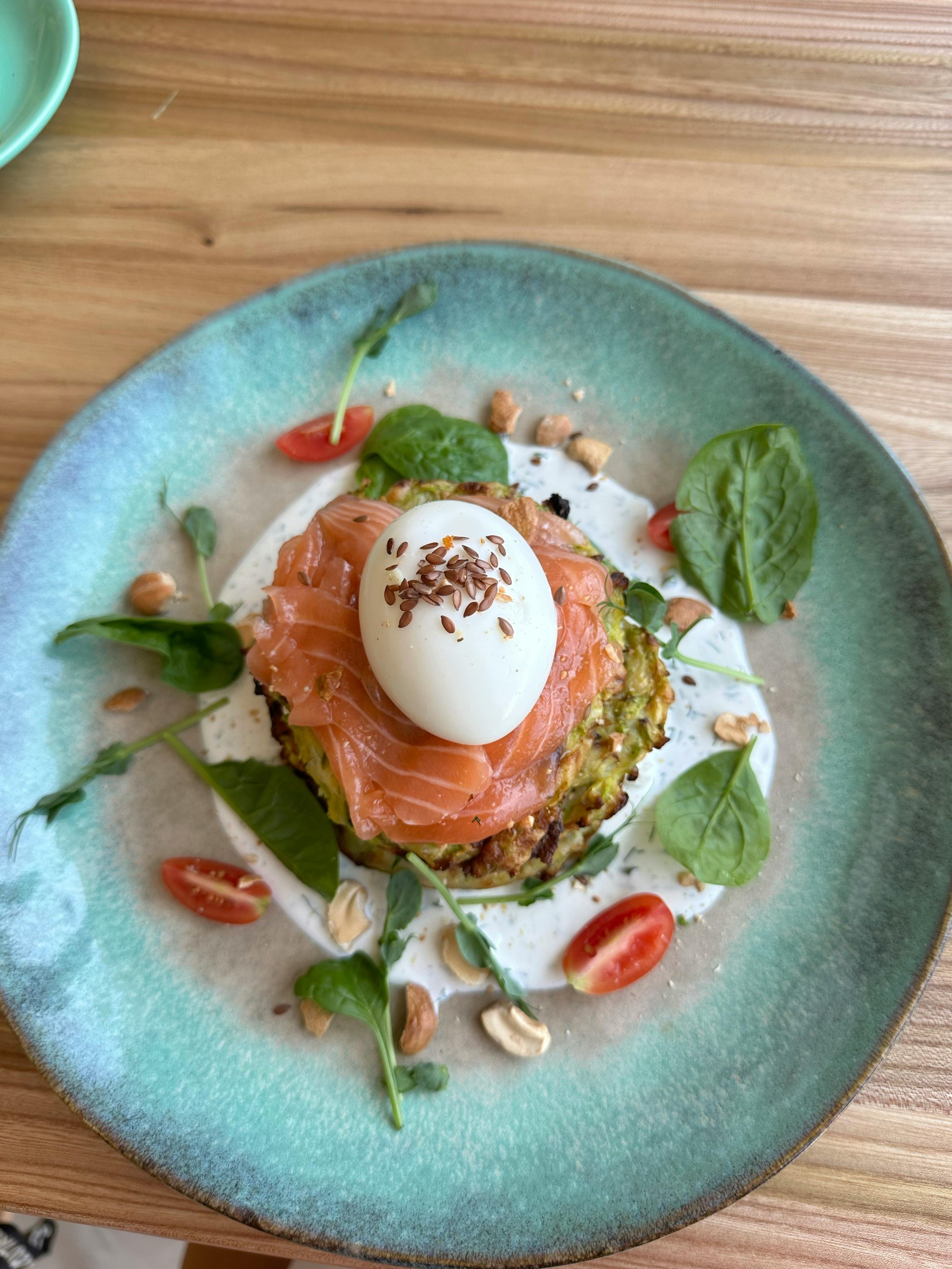
Many women start their day with a cup of coffee or a light piece of toast. Dr. Shah argues this is a mistake. To support muscle mass and stabilize blood sugar, you should aim for 30 grams of protein in your first meal of the day.
Why? Protein provides the building blocks for hormones and helps prevent the muscle loss (sarcopenia) that naturally accelerates in midlife.
Examples: A smoothie with high-quality protein powder, a bowl of high-protein cottage cheese, plain Greek Yogurt with protein powder and fresh berries or an omelet with three eggs and smoked salmon.
2. 30 Grams of Daily Fiber
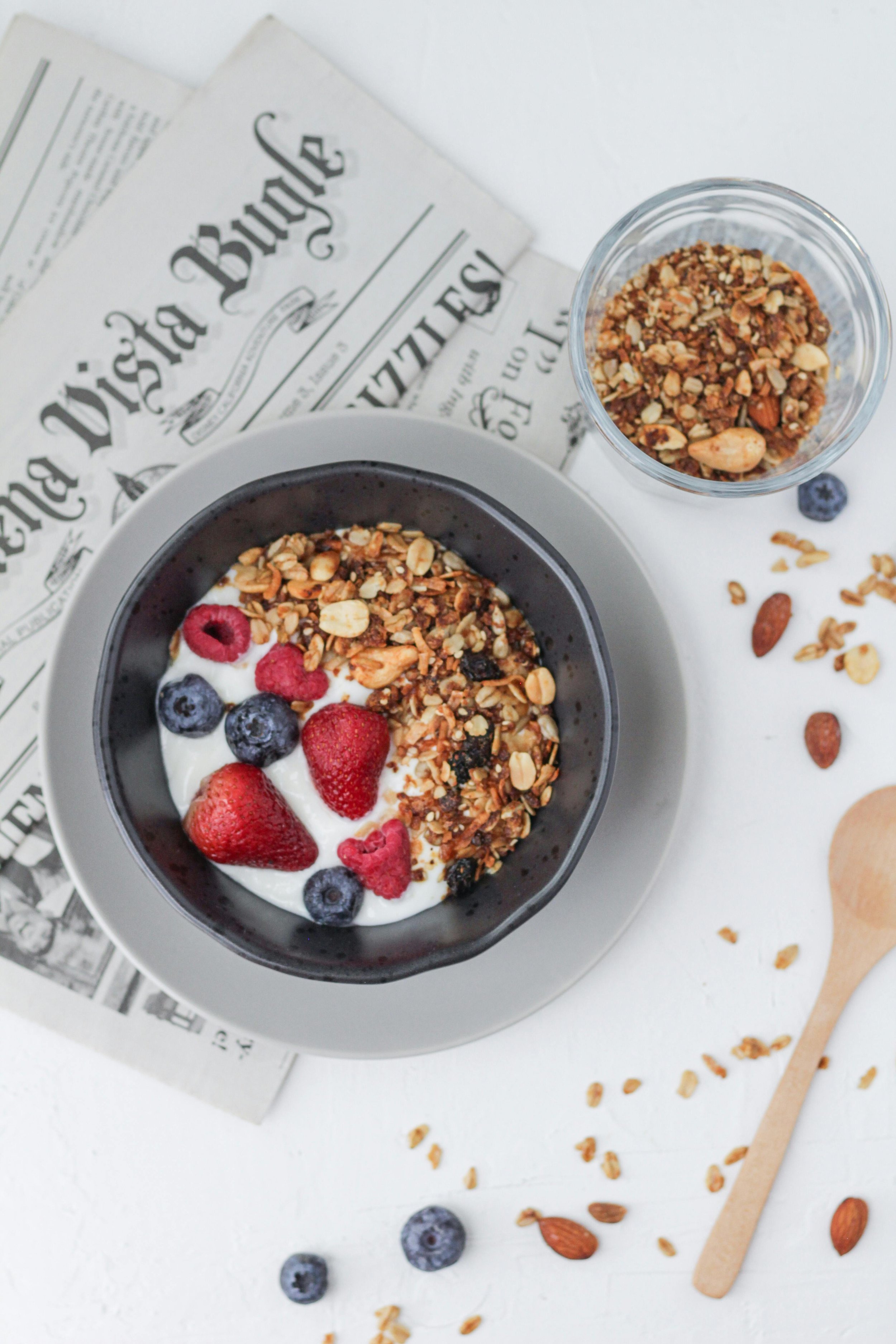
Fiber is the "clean-up crew" for your hormones. It binds to excess estrogen and toxins, ensuring they leave your body rather than being reabsorbed into your bloodstream.
The Reality: 95% of Americans do not meet their fiber goals. Dr. Shah recommends hitting 30 grams daily through whole foods.
Examples: Chia seeds, raspberries, lentils, avocados, and cruciferous vegetables like broccoli and brussels sprouts.
3. 3 Servings of Probiotic Foods
To nourish the estrobolome, you need living bacteria. Rather than relying solely on supplements, Dr. Shah advocates for fermented foods.
Why? Probiotic foods improve the diversity of your gut microbiome, which in turn helps regulate inflammation and hormone metabolism.
Examples: A tablespoon of Kimchi, a serving of Greek yogurt, or even adding a splash of raw apple cider vinegar to your water.
Circadian Fasting: Timing Your Meals for Better Sleep and Energy
One of the most powerful tools in the midlife toolkit isn't just what you eat, but when you eat. Dr. Shah is a proponent of circadian fasting, a gentler, more biological version of intermittent fasting.
Eating with the Sun

Your gut has its own internal clock. When you eat late at night, you are asking your digestive system to work when it’s supposed to be repairing. Dr. Shah suggests a "12 to 14-hour" fast that aligns with the sun.
The Golden Rule: Stop eating at least 2–3 hours before bed. If you go to bed at 10:00 PM, your kitchen should be closed by 7:00 PM.
The Result: This simple shift allows your body to enter deep, restorative sleep and improves insulin sensitivity, a major hurdle for many in perimenopause.
The Power of Morning Light
Circadian health isn't just about food; it’s about light. Getting 5–10 minutes of natural sunlight in your eyes first thing in the morning resets your cortisol rhythm. This helps you feel more alert during the day and naturally sleepier at night.
Navigating "Hormone Havoc" and Stress
In her book Hormone Havoc, Dr. Shah describes perimenopause as a time of "stress intolerance." In our 20s, we might have been able to pull an all-nighter or survive on caffeine and stress. In midlife, our "hormonal reserve" is lower.
The Luteal Phase Preview
If you want to know what your menopause experience might look like, pay attention to the week before your period (the late luteal phase). The drop in progesterone during this week mimics the permanent drop that occurs in menopause. If you feel highly reactive, exhausted, or "off" during this week, it’s a sign that your body needs more support through perimenopause nutrition and lifestyle adjustments.
Building Resilience
Midlife is the "Sandwich Generation" era, we are squeezed from all sides. To navigate this, we must build resilience through:
Walking: Dr. Shah calls walking "the most underrated tool for hormonal health."
Nature: Spending time outdoors lowers cortisol and calms the nervous system.
Community: Connection with other women is a biological necessity for lowering stress levels.
"Self-care in midlife isn't about spa days; it's about giving your body the biological safety it needs to manage hormonal change."
Common Wellness Pitfalls to Avoid
As we try to navigate these changes, it's easy to fall for "wellness" trends that may actually do more harm than good for women in midlife.
1. The "Coffee for Breakfast" Habit
Skipping breakfast and relying on caffeine can spike cortisol levels, leading to increased belly fat and mid-day crashes. If you aren't hungry for a full meal, at least prioritize a small amount of protein to signal to your brain that you are safe and nourished.
2. Over-Reliance on Hormone Testing
Many women ask for a blood test to "prove" they are in perimenopause. However, Dr. Shah explains that because hormones fluctuate wildly day-to-day during this phase, a single blood test is often a "snapshot in a hurricane." Perimenopause is a clinical diagnosis based on your symptoms (sleep, mood, cycle changes) rather than just a number on a lab report.
3. Muscle Loss and GLP-1 Medications
With the rise of weight-loss medications like Ozempic or Wegovy, Dr. Shah issues a warning: "If you are on these medications and not eating enough protein or lifting weights, you will lose significant muscle mass." For midlife women, muscle is "longevity currency." Any weight-loss strategy must be paired with high-protein intake and resistance training.
Conclusion: Putting Yourself Back on the Priority List
The transition through perimenopause and into menopause is a significant biological milestone, but it does not have to be a period of suffering. By focusing on the gut-hormone connection, adopting the 30-30-3 framework, and respecting your circadian rhythms, you can build a foundation of health that lasts for decades.
Remember: taking care of yourself is not an act of selfishness. When you are well-nourished and hormonally balanced, you have more energy, patience, and clarity for the people and projects you love.
Ready to start? Pick just one element of the 30-30-3 framework to implement this week. Maybe it's hitting 30 grams of fiber, or perhaps it's closing the kitchen three hours before bed. Small, consistent shifts lead to the greatest transformations.
For more in-depth strategies, check out Dr. Amy Shah’s book, Hormone Havoc, and join a community of women reclaiming their vitality in midlife.