
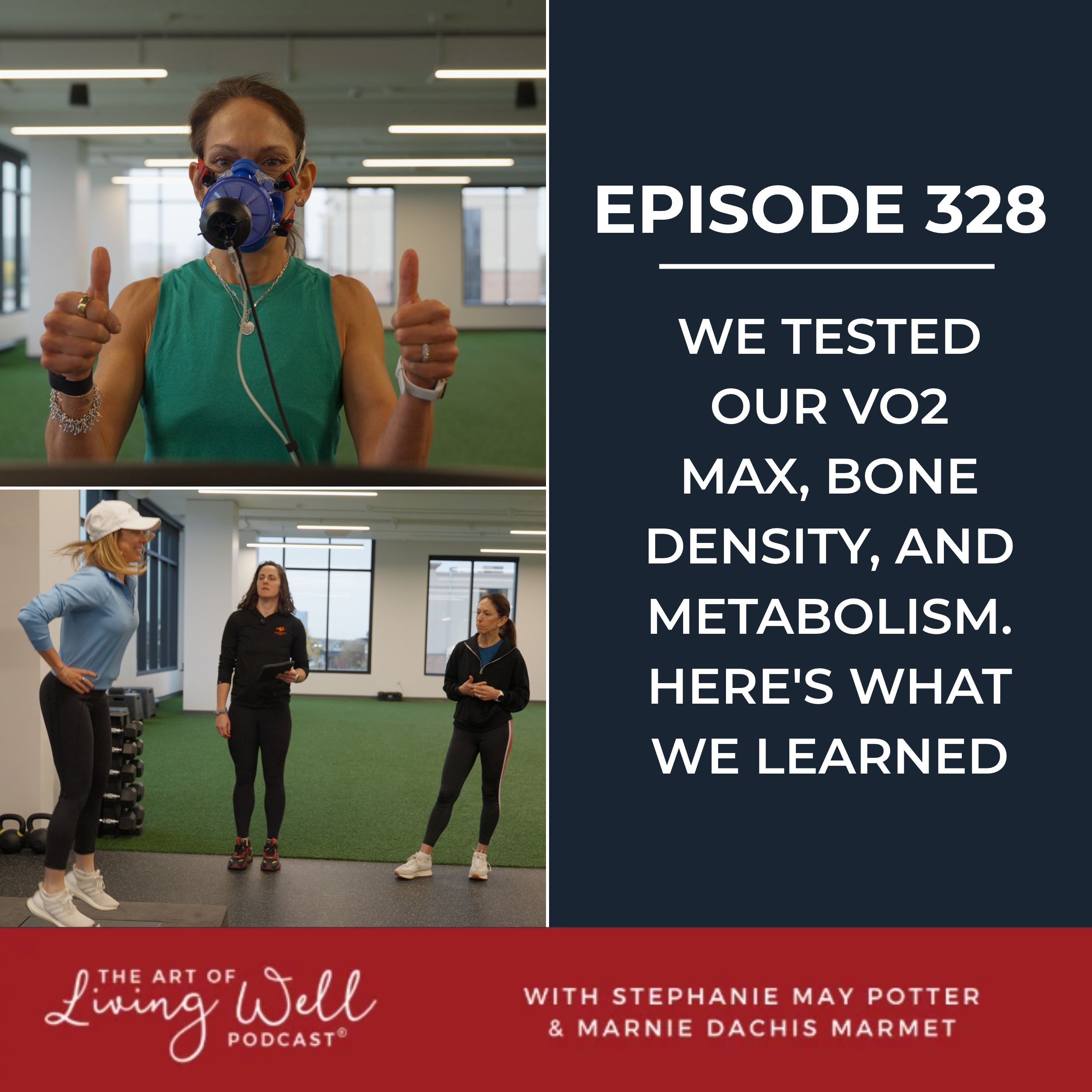
Imagine pushing as hard as you possibly can on a treadmill or on a stationary bike with a specialized mask strapped over your face, all to capture one critical number. It sounds like a training session reserved strictly for Olympic sprinters or Division I collegiate athletes, but this scenario is becoming a transformative reality for everyday women in their 40s, 50s, and beyond. On our latest episode of The Art of Living Well podcast®, we recorded on-site from the Human Powered Health Performance Lab in Edina. We sat down with performance physiologist and certified strength and conditioning specialist Kelly McKenzie. Having spent years coaching elite collegiate athletes at the University of Minnesota and the University of Kansas using advanced wearable tech and force plates, Kelly now translates that same lab-grade testing to help midlife women understand their bodies from the inside out. For too long, women navigating midlife have relied on trial and error, random workout routines, fad diets, and generalized fitness advice, hoping something sticks. But midlife is a unique physiological chapter where time is precious and bioindividuality reigns supreme. Incorporating targeted midlife women’s health testing into your wellness journey allows you to finally stop guessing, replace frustration with precision, and optimize your overall longevity.
Why Midlife Women’s Health Testing Is a Game-Changer
When transitioning into perimenopause and menopause, body composition shifts, metabolic rate fluctuates, and bone density naturally decreases. Yet, standard wellness advice often remains frustratingly vague. Women are told to "lift weights" or "do more cardio," leaving them to wonder if three runs a week and light dumbbell exercises are actually producing results. When we asked Kelly what surprised her most about transitioning from elite collegiate athletes to everyday midlife women, she highlighted a striking gap:
"The older female just has less information about them... they're kind of guessing... Whereas the collegiate athlete is tested frequently, you can see their numbers changing and you get instant results... I love what I do because it really gives people that data of like, 'Hey, this is where you are. If you implement and change, you can come back and see that change.'" — Kelly McKenzie
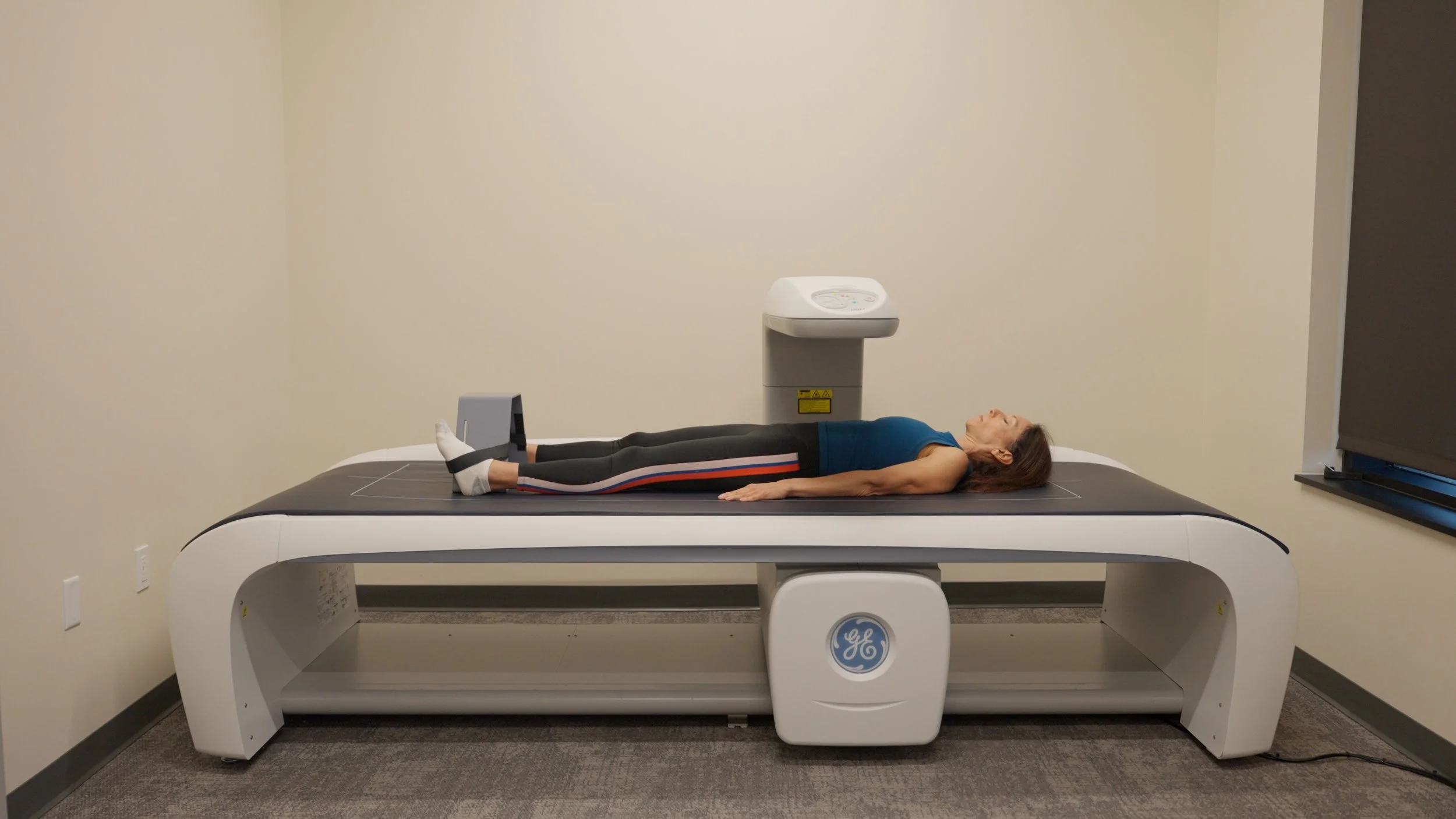
Collegiate athletes thrive because they operate within a continuous feedback loop. They test, measure baseline metrics, apply targeted training, and re-test to see what worked and what didn't. Midlife women deserve that exact same clarity. By utilizing midlife women’s health testing, you gain a clear, evidence-based roadmap tailored specifically to your unique physiological profile.
The Core Lab Tests Every Midlife Woman Should Know About
To move beyond generic fitness rules, performance labs rely on specific gold-standard assessments. Understanding these key tests helps you make informed choices about your physical health.
DEXA Scans: Decoding Body Composition and Bone Density
If there is one machine in the performance lab that gets non-stop use, it’s the DEXA scanner. Standing for Dual-Energy X-ray Absorptiometry, a DEXA scan utilizes low-dose dual X-rays to provide a comprehensive total-body picture. Unlike a standard bathroom scale, which only tells you your total weight, a DEXA scan acts as the gold standard for measuring exact body composition (distinguishing lean muscle tissue from fat mass) and total bone density. In addition to full-body scans, central DEXA scans focus on high-risk areas like the lumbar spine, hips, and forearms. While clinical DEXA scans covered by medical insurance often yield limited high-level summaries (such as a single T-score or Z-score), undergoing lab-grade DEXA testing provides a rich, complete dataset. This reveals precise bone health metrics and muscle distribution patterns, giving you an essential baseline to prevent osteoporosis and track muscle maintenance as estrogen levels change.
VO2 Max Testing: The Ultimate Metric for Longevity
VO2 max measures the maximum amount of oxygen your body can efficiently consume and utilize during intense exercise. Health experts view VO2 max as one of the strongest independent indicators of both healthspan and overall lifespan. During a VO2 max assessment, you wear a specialized cardiovascular mask while walking, running, or cycling as intensity ramps up. This lab test measures your exact aerobic and anaerobic thresholds. Knowing these specific thresholds reveals your precise heart rate training zones. Instead of burning out from chronic high-intensity interval training (HIIT) or wasting time in inefficient training ranges, VO2 max testing equips you to structure cardiovascular workouts with total efficiency.
Why Your Smartwatch Isn't Giving You the Whole Picture
Smartwatches, fitness rings, and activity trackers are wildly popular, but how accurate are they when measuring complex metrics like VO2 max or calorie burn? While wearables offer convenient daily tracking, Kelly emphasizes that they rely primarily on generalized mathematical algorithms and population averages rather than your direct, real-time physiology. Your watch observes your speed and heart rate during a run, but it cannot measure how much oxygen your lungs and mitochondria actually process at an anaerobic baseline.
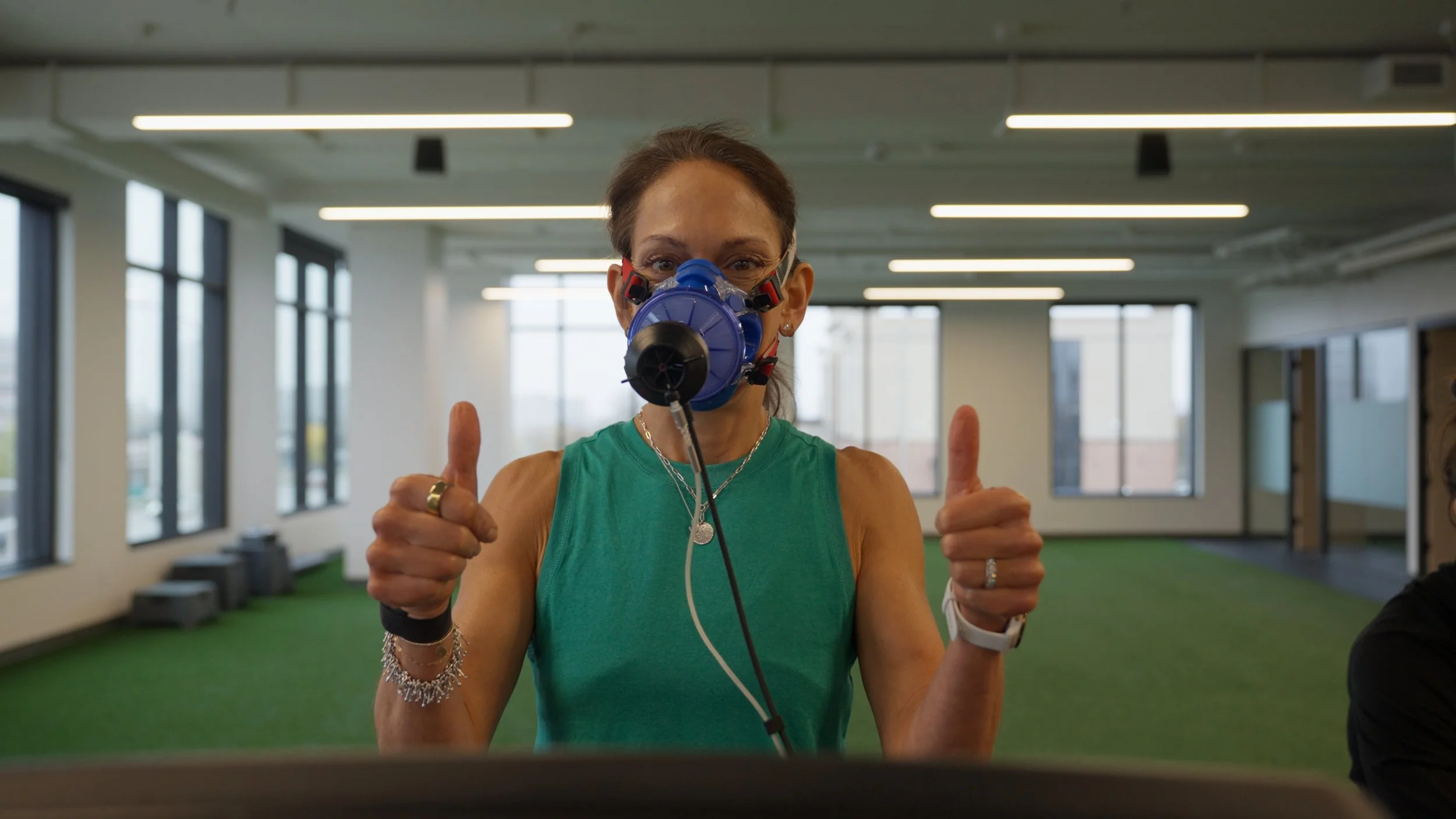
"It's more accurate because it's lab measured. Your watch typically uses equations... it's not going off of your actual physiology of what you're able to take in... Watches are great for telling you if you're trending in the right way." — Kelly McKenzie
How to Correctly Use Your Wearable Data
Does this mean you should ditch your Apple Watch, Garmin, or Oura Ring? Not at all. The key lies in focusing on the data points wearables measure best:
1. Ignore Daily VO2 Max Spikes: Your true VO2 max does not drop overnight simply because you skipped a workout or had a slow run. Don't let daily algorithmic fluctuations stress you out.
2. Prioritize Resting Heart Rate (RHR): Under normal conditions, your baseline resting heart rate remains relatively stable. While a hard workout or new exercise routine will temporarily elevate it during recovery, a chronically elevated resting heart rate over several days is a major red flag. It signals overtraining, under-fueling, poor sleep, or inadequate stress recovery.
3. Monitor Heart Rate Variability (HRV): Tracking your HRV over time offers vital clues about nervous system recovery and readiness to train.
How Midlife Women’s Health Testing Empowers Your Daily Routine
The real power of midlife women’s health testing is not just collecting data, it’s taking action on what that data reveals. Once you establish your personal baseline through DEXA and VO2 max assessments, you can:
• Tailor Your Strength Training: Adjust resistance levels and training volume based on your actual lean muscle mass and bone density needs.
• Optimize Fueling and Nutrition: Ensure you are consuming sufficient protein and total calories to support lean muscle maintenance and avoid under-fueling.
• Train Smarter, Not Harder: Target your exact aerobic heart rate zones to build stamina without causing excessive cortisol spikes or burnout.
• Create a Personal Feedback Loop: Schedule a follow-up test in 6 to 12 months to measure tangible progress, verifying that your hard work is paying off.
Take Control of Your Midlife Health Journey
Navigating midlife wellness does not have to feel like an endless game of guesswork. You don't have to spend years experimenting with trendy workouts or restrictive diets only to end up exhausted with minimal results. By leaning into lab-grade midlife women’s health testing, you gain access to the exact data needed to take control of your body, protect your bone density, optimize your cardiorespiratory fitness, and build lasting strength for decades to come.
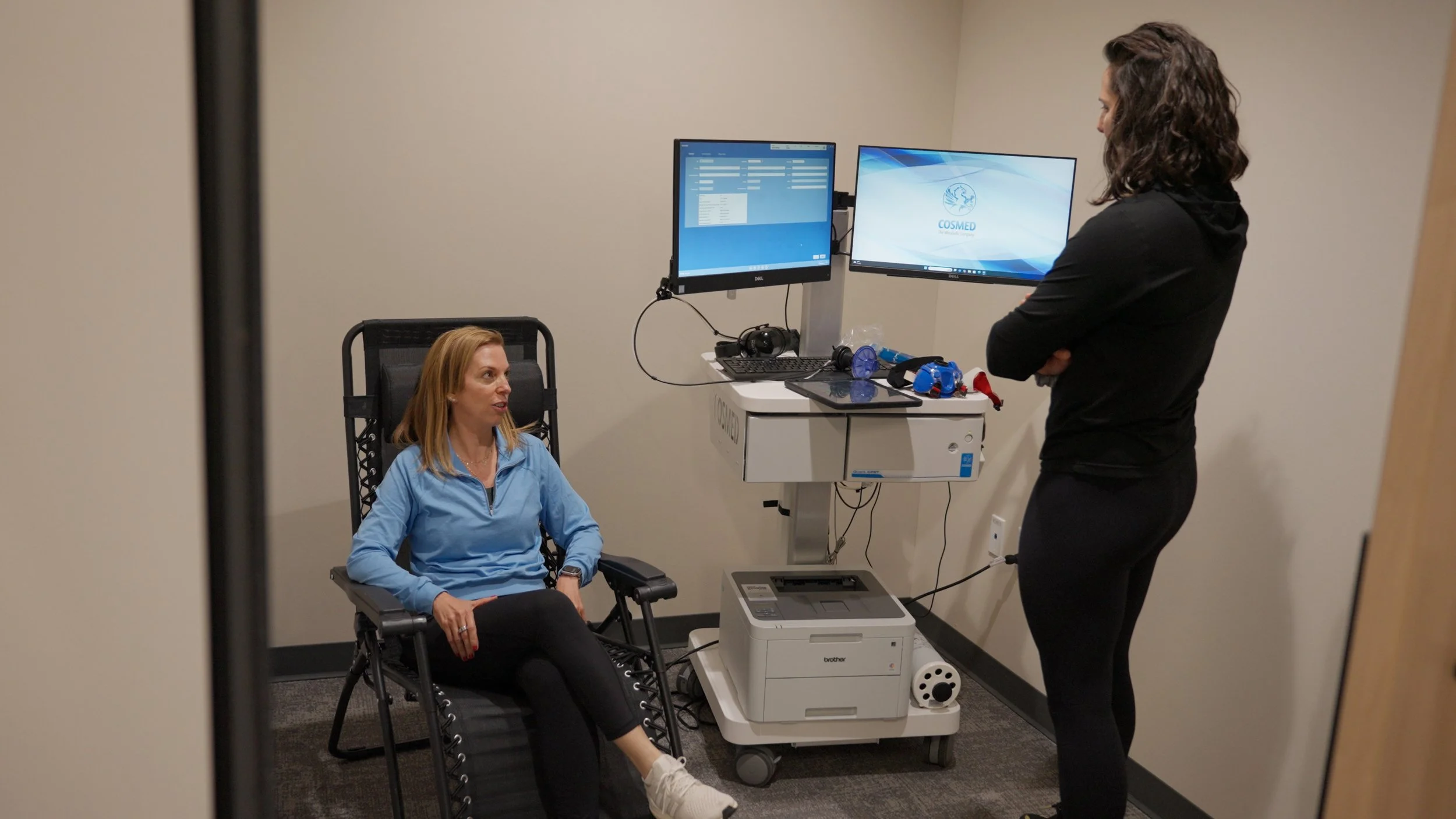
Special Partner Offer: We’re excited to partner with Human Powered Health, where Marnie and Stephanie experienced their testing firsthand (resting metabolic rate, DXA scans, VO2 max, and force plate assessments). Human Powered Health now offers a new Women’s Health Package tailored for perimenopause and menopause. Book a free 15-minute consult with a physiologist here to see which assessments fit your goals and Be sure to mention The Art of Living Well Podcast®.