
E309: Mindful Eating for Midlife Women: Your Guide to Food Freedom & Self-Love

A Guide to Mindful Eating for Midlife Women: Healing Your Relationship with Food
Do you remember the 1990s? For many of us, that decade was defined by more than just grunge music and neon windbreakers. It was the era of the "no-fat" craze, the Special K challenge, and glossy teen magazines that taught us, from a very tender age, exactly which parts of our bodies needed "fixing."
If you grew up in that environment, chances are you’ve spent the last thirty years in a complicated, often exhausting dance with the scale. You’ve counted calories, tracked points, and tried every restrictive protocol that promised a "new you." But now, in midlife, something has shifted. Maybe the diets that used to work no longer do, or maybe you’re simply tired of the mental gymnastics required just to eat a sandwich.
Midlife is a season of deep change, but it is also a season of reclamation. It’s time to stop fighting your body and start listening to it. This is where the practice of mindful eating for midlife women becomes more than just a wellness trend, it becomes a pathway to freedom.
Why Mindful Eating for Midlife Women is a Total Game-Changer
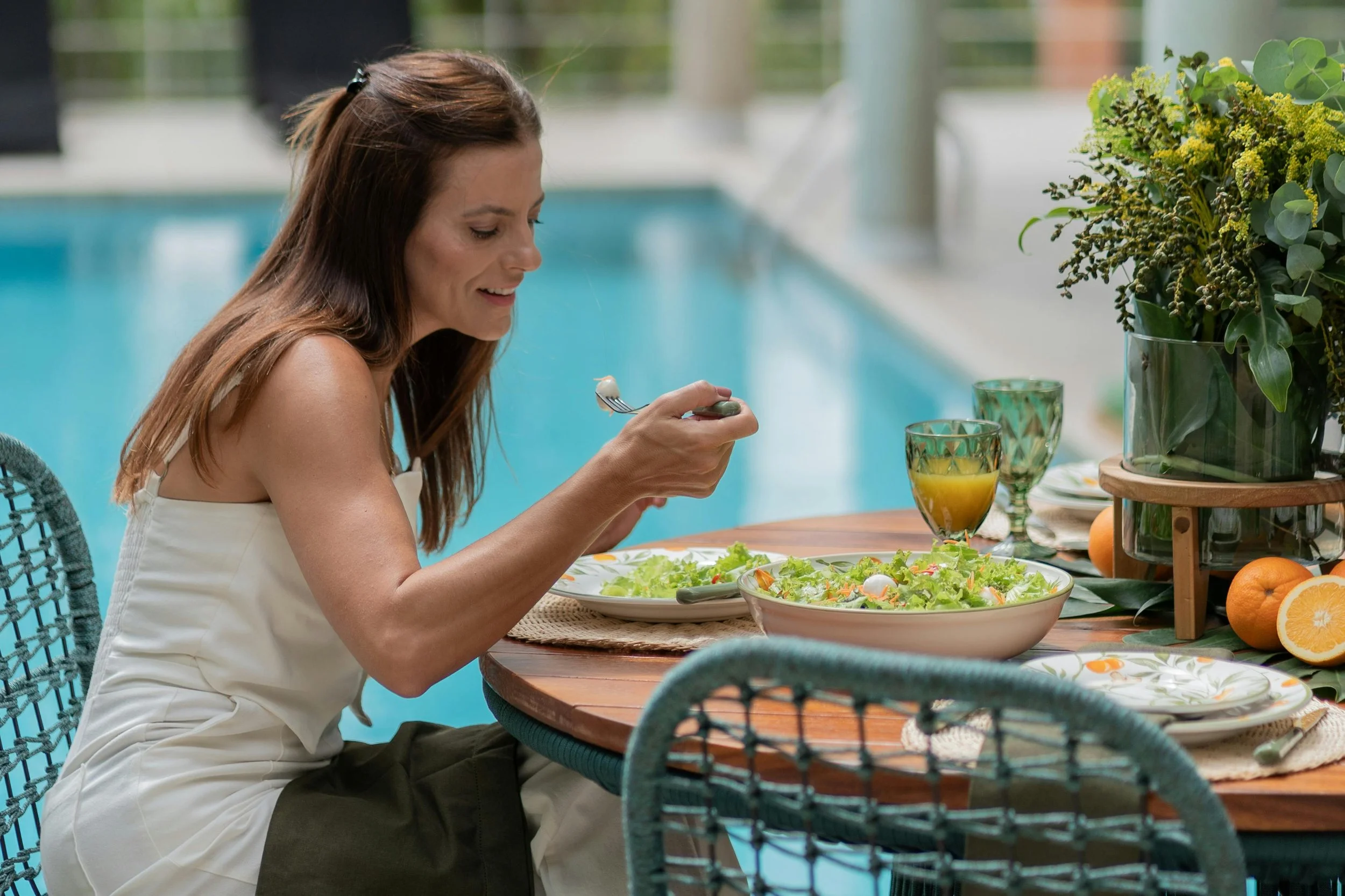
When we talk about mindful eating, we aren’t talking about a new set of rules to follow. In fact, it’s the exact opposite. It’s the process of unlearning the external rules we’ve been fed for decades so that we can reconnect with our internal wisdom.
Unlearning Decades of Toxic Diet Culture
Most women currently in their 40s, 50s, and 60s were raised in a "diet culture" pressure cooker. We watched our mothers drink meal-replacement shakes and saw celebrities shamed for the slightest weight gain. This created a blueprint in our minds that equated self-worth with a specific number on a scale.
As we enter midlife, our hormones shift, our metabolism changes, and our bodies naturally evolve. If we continue to apply the restrictive mindset of our 20s to our 40s and 50s, we end up in a cycle of frustration and shame. Mindful eating allows us to pivot. Instead of asking, "How can I shrink my body?" we begin to ask, "How can I nourish my body?" This shift from restriction to nourishment is the foundation of long-term health and peace of mind.
Breaking Generational Cycles
One of the most powerful motivators for embracing mindful eating is the impact it has on those around us. Many of us are raising daughters or mentoring younger women who are navigating their own body image struggles.
When we stop vocalizing our guilt over eating a piece of cake, or when we stop criticizing our reflections in the mirror, we break a generational cycle. By healing our relationship with food, we give the next generation permission to love their bodies, too. We move from a legacy of restriction to a legacy of appreciation and vitality.
"You cannot hate yourself into a body that you love. True transformation begins with the radical act of accepting yourself exactly as you are today."
How to Become Your Own "Food Detective"
In many traditional diets, certain foods are labeled "good" and others are labeled "bad." Mindful eating removes those labels and replaces them with curiosity. Instead of being a "judge," you become a "detective."
Identifying Food Sensitivities Naturally
As we age, our bodies become more sensitive. That dairy or gluten that didn't bother you at 25 might be the reason you feel sluggish or bloated at 45. However, instead of cutting things out because a book told you to, mindful eating encourages you to find out for yourself.
Start paying attention to the physical sensations that follow a meal. Do you feel a burst of energy, or do you feel like you need a nap? Is your digestion smooth, or do you feel uncomfortable? By becoming a "food detective," you gain the data you need to make choices that make you feel vibrant, rather than just following the rules.
Bonus: Grab your own Food Mood Journal here for free!
The Power of a Food-Mood Journal

A common tool in the mindful eating toolkit is the food-mood journal. This isn't about tracking calories or macros. Instead, it’s about tracking the connection between what you eat and how you feel, physically, mentally, and emotionally.
Write down what you ate, but more importantly, write down your hunger level before you started and your satisfaction level after you finished. Did you eat because you were hungry, or because you were stressed? Did that specific snack actually satisfy your craving, or are you still looking for something else? Over time, this journal reveals patterns that allow you to eat intuitively, honoring your body's unique bio-individuality.
Silencing Your Inner Critic (Evicting the "Nasty Roommate")
We all have that voice in our heads. Some call it the inner critic; others call it the "nasty roommate." It’s the voice that tells you that you shouldn't have had that second helping, or that you’ll have to "work it off" at the gym tomorrow.
Shifting from Restriction to Self-Love
The "nasty roommate" lives on a diet of shame and restriction. To evict this voice, we must change the narrative. When you hear that critical voice start to chime in, acknowledge it, but don't let it take the wheel.
Remind yourself that food is not a moral issue. Eating a cookie does not make you a "bad" person, just as eating a salad does not make you a "good" person. When we remove the morality from our plates, the inner critic loses its power. We begin to make choices based on self-love, choosing the kale because it makes us feel energized, and choosing the chocolate because it brings us joy.
Fostering a Positive Body Image in Midlife
Midlife bodies are incredible. They have birthed children, navigated careers, survived losses, and carried us through decades of life. Yet, we are often the most critical of them during this stage.
Mindful eating requires a baseline of body respect. You don't have to love every imperfection, but you can respect your body enough to feed it well and speak to it kindly. When we practice body acceptance, we realize that our worth is not a fluctuating currency based on our dress size.
"Your body is a vessel for your life's work and your soul’s journey. Treat it with the same kindness you would offer a dear friend."
Simple Intuitive Eating Practices You Can Start Today
If the idea of mindful eating for midlife women feels overwhelming, remember that it is a practice, not a destination. You can start with small, manageable shifts that bring more awareness to your table.
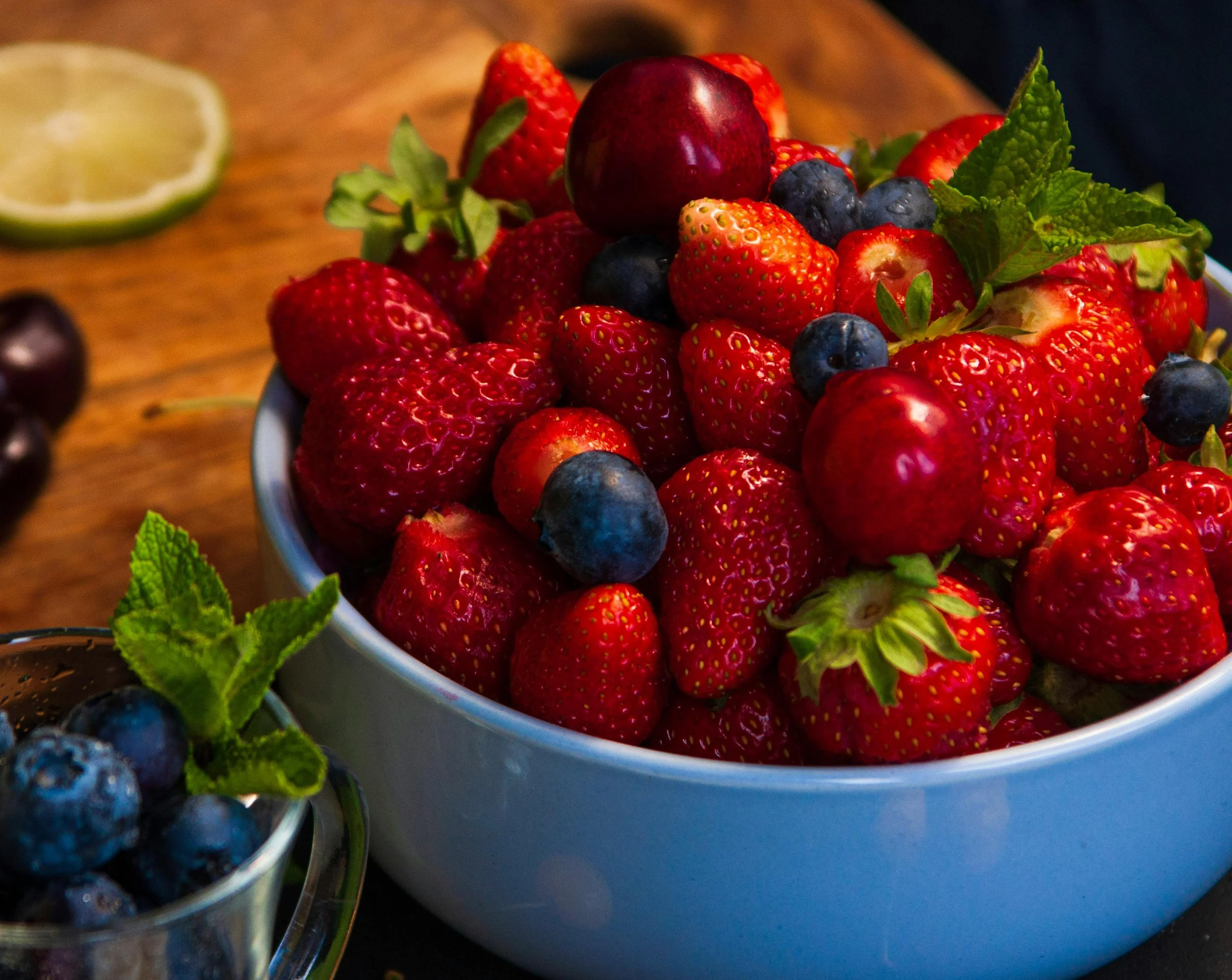
Bringing Joy Back to the Table
In our busy lives, eating has often become a secondary activity. We eat while driving, while scrolling through our phones, or while standing at the kitchen counter. This disconnect makes it impossible to hear our body’s signals.
Try to make at least one meal a day a "ritual." Sit down. Use a real plate. Turn off the screens. Take a breath before you take your first bite. Notice the colors, the aromas, and the textures. When we bring joy and presence back to the table, we naturally eat more slowly and enjoy our food more deeply, which often leads to feeling satisfied with less.
Honoring Your Cravings with Compassion
Restriction almost always leads to binging. When we tell ourselves we "can't" have something, our brains become obsessed with it. Mindful eating suggests a different approach: give yourself permission.
If you have a genuine craving for something, eat it. But eat it mindfully. Savor it. Pay attention to the taste. Often, when we stop "sneaking" food and start truly tasting it, we find that a few bites are enough to satisfy the craving. By honoring your cravings with compassion, you take the "forbidden" power away from food and put the power back in your own hands.
Conclusion: Embracing the Journey
Healing your relationship with food is one of the most transformative things you can do in midlife. It’s about more than just what’s on your plate; it’s about how you show up for yourself every single day.
There will be days when the "nasty roommate" is loud, and days when you find yourself mindlessly snacking. That’s okay. Mindful eating isn't about perfection, it's about presence. It's about returning to yourself, over and over again, with kindness and curiosity. As you move forward, remember that you deserve to feel nourished, vibrant, and at peace in your own skin.