
E322: Biological Age Testing: Is It the Secret to Midlife Wellness or Just a Number?
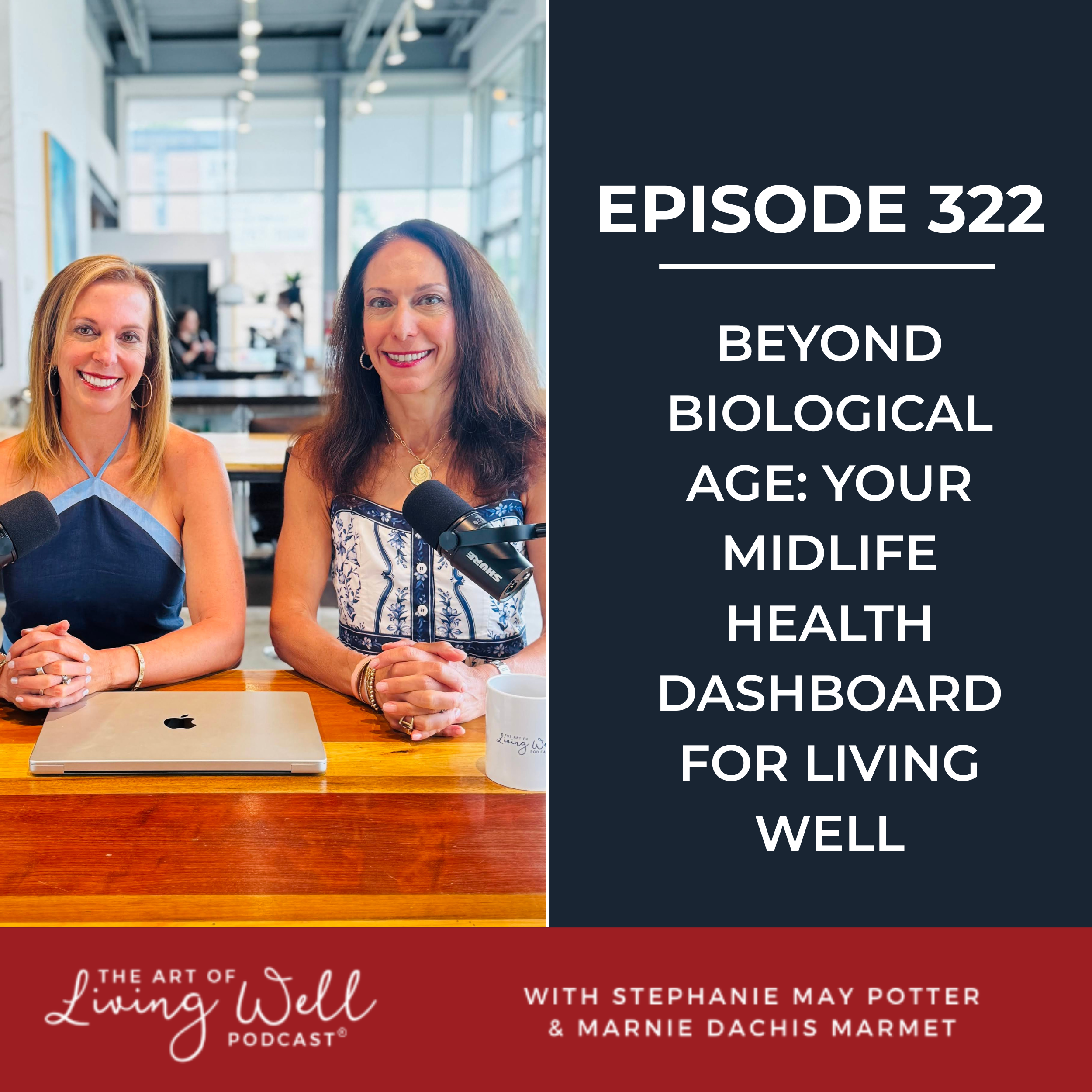
Have you ever looked at a vibrant, active 65-year-old woman and marveled at her endless energy, only to look at an exhausted 50-year-old and wonder why she seems so utterly depleted? Although these two women might be 15 years apart on the calendar, their bodies are aging in vastly different ways.
Lately, biological age testing has completely exploded in popularity across social media. Women everywhere are spending hundreds of dollars on kits, anxiously awaiting their scores to find out whether their bodies are aging faster or slower than their actual calendar age. But as this trend takes over the wellness space, we have to ask an important question: Are we becoming too fixated on a single testing score?
While biological age testing can offer incredibly interesting data points, true vitality and longevity don't come from a lab result. Instead, they come from actively managing your everyday lifestyle choices, what we like to call your midlife health dashboard.
What Is Biological Age Testing and How Does It Work?
Before you order a kit, it is helpful to understand exactly what these companies are measuring and where the data comes from.
Chronological Age vs. Biological Age
There is a distinct difference between the age on your driver's license and the age of your cells. Your chronological age is something you absolutely cannot change. It is simply the number of years you have been alive on this earth, the literal number of candles on your birthday cake.
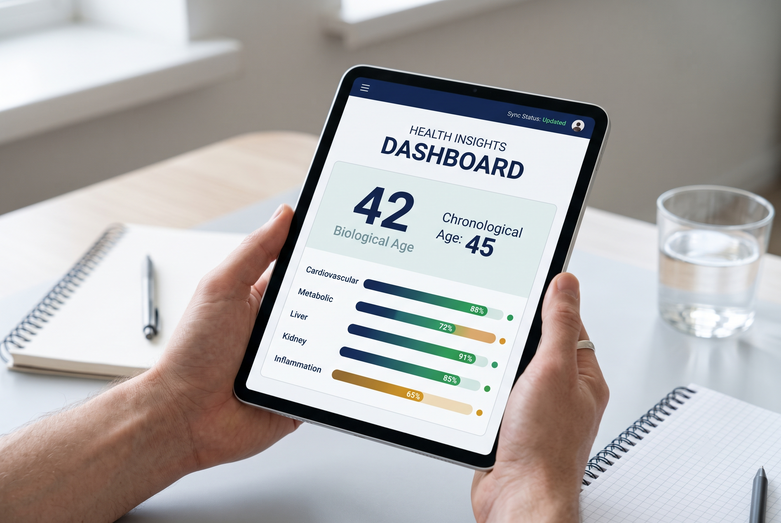
Your biological age, however, is an estimation of how well your body appears to be functioning on a cellular level. These advanced tests evaluate measurable markers in your blood, your individual cells, or your DNA, and then compare your results against a reference population to give you an age.
"Your chronological age is simply the number of years you've been alive, right? And that you cannot change... but your biological age is actually a reflection of how well your body is functioning."
The Hidden Nuances of Your Score
If you decide to take a biological age test and receive a disappointing result, take a deep breath. There are some major nuances to these tests that you need to be aware of.
For example, many popular DNA-based age tests only compare your results against other people who have taken that specific test. Because the people who seek out and pay for these longevity tests tend to be highly health conscious individuals who are already active, eating well, and taking targeted supplements, you are being compared to a highly optimized group of people. You aren't being compared to the general US population, which can naturally skew how your score looks on paper.
Furthermore, different testing companies look at very different metrics. Marnie took a newer DNA test at age 50 and was incredibly disappointed when her biological age came back at 54. However, a few years later at age 53, she completed a comprehensive functional health test. This test evaluated over 130 different blood biomarkers, thoroughly checking her metabolic systems, cardiovascular health, hormone levels, liver, and kidneys. After a doctor reviewed all her bodily systems, her biological age came back at a stunning 38.6, 14 years younger than her actual age! This massive discrepancy proves exactly why you should take any single biological age score with a massive grain of salt.
The Real Value Found in Biological Age Testing Results
If the exact number isn't a perfect science, is the testing process even worth your time and money? For those who love digging into their personal health data, it can be a highly motivating and fun exercise. But the true value of these tests usually lies in the secondary insights they provide.
Discovering Important Genetic Variants
One of the most practical benefits of taking a genetic or biological age test is discovering specific gene variants that impact your daily health. For example, learning whether you have an MTHFR gene variant can tell you if your body struggles with its methylation cycle and processing essential B vitamins. Knowing that you are methylating at 66% instead of an optimal 100% gives you a clear, actionable area to support through targeted nutrition.
Similarly, finding out your ApoE genotype is becoming popular because it can provide potential clues regarding long-term cognitive health and Alzheimer's risk. But remember the beautiful power of epigenetics: just because you possess a certain gene variant absolutely does not mean it is destined to express itself. Your daily lifestyle, your stress levels, and your environment act as the powerful light switches that turn these genes on or off.
Tuning Into How You Actually Feel
Ultimately, how you feel waking up every day matters infinitely more than a test result. Rather than letting a piece of paper dictate your health status, tune into your body.
Many women report feeling significantly better, stronger, and more energized in their 50s than they did in their exhausted, sleep-deprived years of raising young children. Getting older often brings a shift in mindset, you finally let go of past insecurities, stop caring so much about what others think, and feel deeply comfortable in your own skin. That self-worth and inner confidence act as a longevity pill on their own.
Your Midlife Health Dashboard: 4 Ways to Improve Your Health Span
Instead of spending hundreds of dollars to find out your biological age today, start by auditing your own habits. We call this your midlife health dashboard. Here are the four everyday pillars that have the power to actually improve how well you age.
1. Functional Muscle and Movement

Muscle mass is one of the most accurate predictors of a long health span, but this isn't about aesthetics or getting a six-pack. It is entirely about functional strength. Can you comfortably lift a heavy bag of groceries and carry it upstairs? Can you easily lift your own luggage into an overhead bin?
Most importantly, can you get up off the floor without using your hands or requiring assistance? Being unable to get up off the floor is a massive red flag for your long-term independence and a huge predictor of longevity.
To boost your physical metrics, prioritize simple, daily walking. Taking a walk outdoors, taking a phone-free walk with a friend, or even using a walking pad during a work meeting are incredible for both your mental health and longevity. If you want a tangible way to measure your progress, time how many minutes it takes you to walk a mile, and gently challenge yourself to improve your pace over time to boost your VO2 max.
2. Protecting Your Deep Sleep
Restorative sleep, specifically deep sleep, is an area where countless midlife women struggle. You might be able to fall asleep perfectly fine, only to jolt awake at 3:00 AM. Suddenly, your brain won't turn off, and you might find yourself spiraling into anxious thoughts, scrolling on your phone, or reaching for late-night snacks. This creates a vicious cycle of daytime exhaustion, leading to sugar cravings and skipped workouts.
One of the most effective, totally free secrets for optimizing deep sleep is simply getting yourself to bed earlier. Pushing your bedtime back to finish a Netflix show almost guarantees your deep sleep will take a severe hit.
If you want data, using a tracking device like an Oura ring can help you dial in on exactly what habits hurt or help your resting heart rate and sleep cycles. Additionally, actively calming your nervous system before bed with tools like a PEMF (Pulsed Electromagnetic Field) or red light mat can yield great, noticeable improvements in your deep sleep.
3. Prioritizing Protein on Your Plate
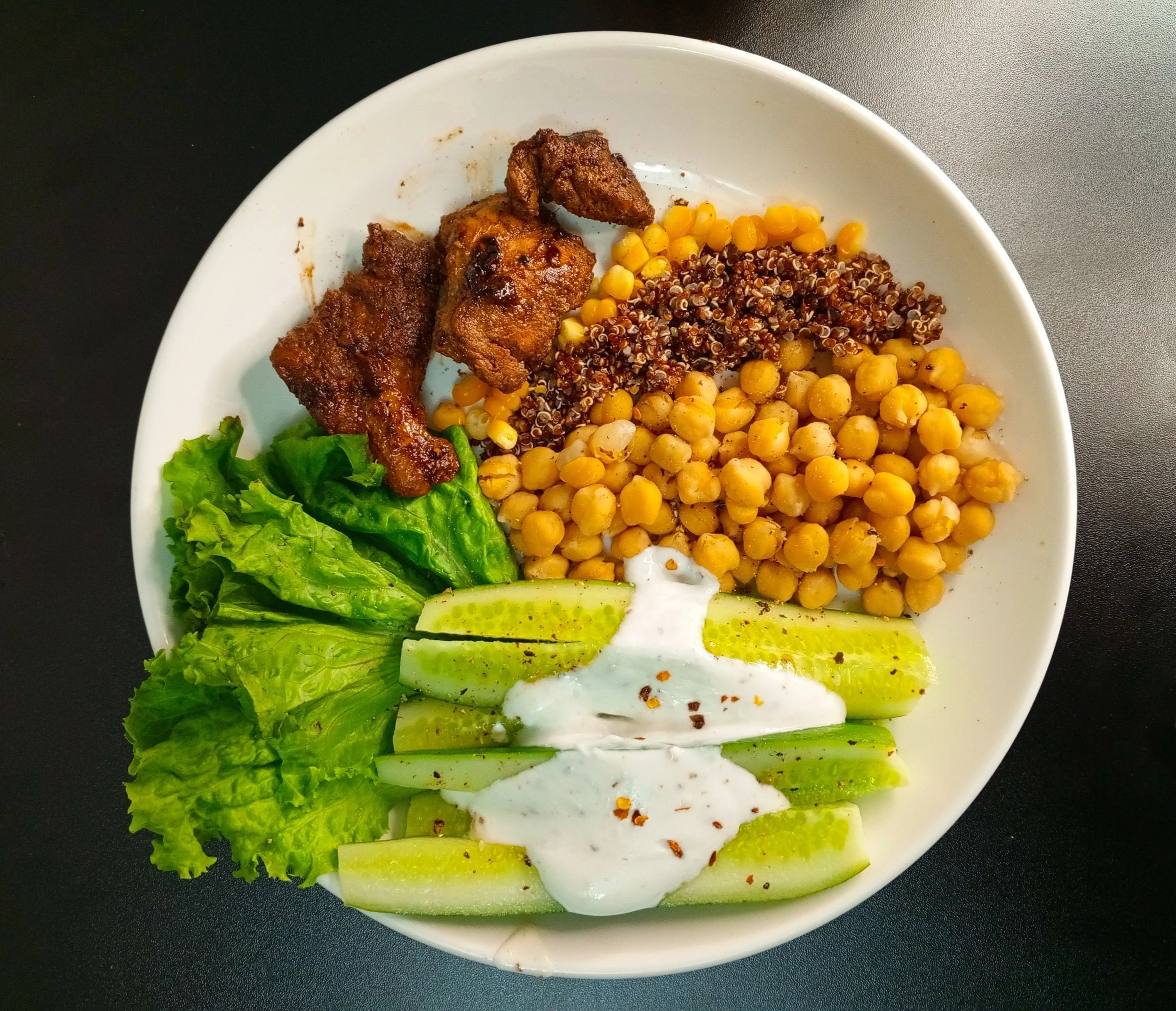
Proper, balanced nutrition is non-negotiable for aging well, and the most common missing link for midlife women is adequate protein intake. When you aren't eating enough protein, it directly and negatively impacts your blood markers, your muscle retention, and your daily energy levels.
While plant-based foods are great, it is incredibly difficult to meet all your optimal protein needs strictly by eating beans. You must be intentional about your meals. Make it a focused goal to prioritize at least 30 grams of protein at every single meal to maintain your muscle mass, balance your hormones, and support a healthy biological age.
"If there's one thing you take away from this episode, it's maybe picking one item and actually dialing in and tracking it for a short amount of time... prioritize protein and getting 30 grams at every meal."
4. Fostering Connection and Lowering Stress
Longevity is not strictly physical; it is deeply emotional, too. Spending your entire day stuck in a chaotic fight or flight stress mode heavily impacts your physical well-being and ages your cells prematurely.
Don't forget that connection and a sense of purpose are massive components of your health span. Having meaningful relationships, spending time with loved ones, and effectively managing your daily life stressors are just as critical to your vitality as lifting weights or tracking your nutrition.
Next Steps: Stop Asking How Old You Are, Start Asking How Well You Are Aging
So, do you really need a biological age test to tell you how healthy you are? Absolutely not. If you love data and want to use it as a fun baseline, go for it! But what you really need is to tune into your own body and take daily, actionable steps toward wellness.
The 90-Day Vitality Challenge
Take a quiet moment today to audit your own habits. Give yourself an honest score from 1 to 10 on your current strength, sleep quality, energy levels, stress management, nutrition, and social connections.
Identify the area where you scored the lowest, and commit to improving just one simple metric over the next 90 days. Maybe you choose to track your protein intake for a week, commit to a daily 10-minute movement snack, or make a strict rule to turn off the TV and get to bed 30 minutes earlier.
Join a Wellness Reboot
If you are feeling completely overwhelmed by your midlife health dashboard and aren't sure where to start, consider joining a supportive, community-based reset. Look for a functional medicine program, like our 7-day vitality reboot, that focuses on deeply nourishing your body with real food, supporting your liver, and tuning into how your meals make you feel, rather than punishing yourself with restrictive, miserable juice cleanses.
It is time to rewrite your aging story.