
E319: The Forgotten Key to Living Longer: Community and Longevity for Midlife Women
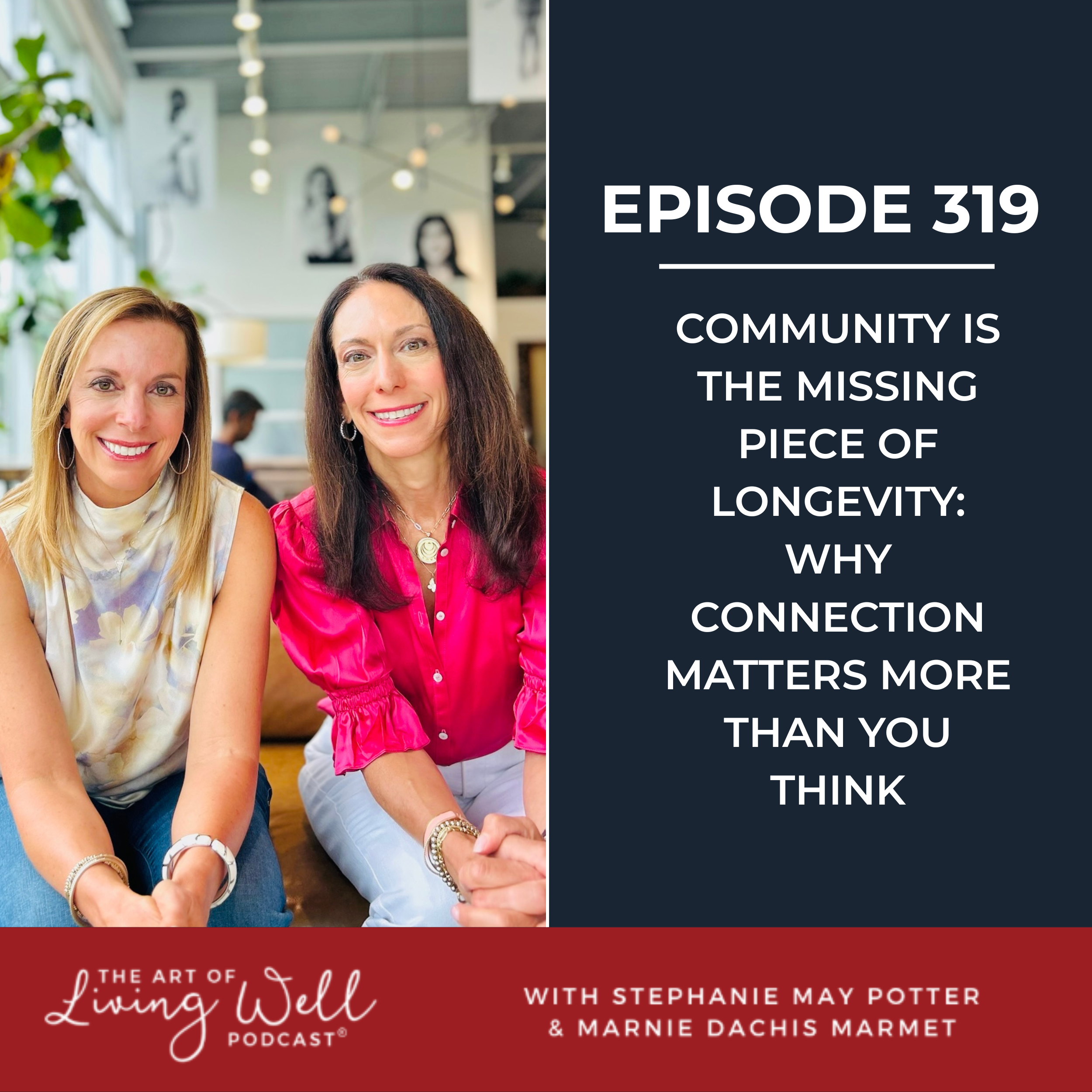
Quick question before we dive in: When was the last time you did something in person with other people that wasn't related to work or running errands? And no, texting a friend to say, "We should get together soon," only for it to never happen, doesn't count!
As midlife women, our lives are constantly in motion. We are often busy juggling the heavy demands of our careers, tending to the needs of our children, and managing the endless tasks of running a household. In the midst of all this beautifully chaotic responsibility, it is incredibly easy to let our social lives slip down the priority list. Building community and taking the time to get together with friends is usually the easiest thing to drop off our calendars when we get overwhelmed.
But here is the reality check: community is not just a nice to have addition to your life, it is an important, heavily overlooked piece of your overall health. This isn't about forcing introverts to become extroverts, nor is it about packing your calendar just to be the most social person in the room. We aren't trying to make you busier. This is about discovering how deeply community and longevity are connected and understanding that real human connection is essential to thriving in midlife.
The Hidden Epidemic of Midlife Loneliness
Let’s reframe how we think about our social calendars. You might be someone who has a packed schedule, but chances are you know people, perhaps your parents, your siblings, or other friends, who don't. Loneliness is an issue that has skyrocketed in recent years. While things have improved slightly since the intense isolation of 2020, we still aren't back to where we were decades ago.
The statistics are a massive wake-up call. Recent data from a large survey of over 7,500 adults shows that more than half of Americans actually report feeling lonely. Even more concerning, one in five Americans feels lonely every single day. That is approximately 52 million people walking around carrying the heavy weight of disconnection.
For midlife women, this hits especially close to home. True connection isn’t about navigating big social engagements if that's not your style. It’s about knowing exactly who you can call when you are feeling down, when you have a problem, or when you just need someone to listen. Do you have a couple of people you can pick up the phone and call, knowing you can count on them for genuine social and emotional support?
"True connection is not about the quantity of friends; it's about knowing exactly who you can call when you are feeling down and just need someone to listen."
It is also completely normal to have a very full life, a big family, and lots of acquaintances, yet still experience deep bouts of loneliness. If you are feeling this way, know that you are not alone in your feelings of loneliness, and it is a shared human experience that happens at different times in everyone's life.
Why Community and Longevity Are Deeply Connected
When we think of living a long, healthy life, we usually focus on physical factors. We dive deep into hormone balance, gut health, strength training, and eating whole foods. But there is a direct, undeniable link between community and longevity, and this social pillar supports your overall well-being just as much as physical habits do.
Loneliness has a significant ripple effect that touches both your mental and physical health. Think of your body's overall health capacity as a rain barrel. Everything you've been doing since you were born adds drops to this barrel, and eventually, if it gets too full, those stressors manifest as symptoms later in life. Loneliness and social isolation add massive drops to your rain barrel, directly impacting your physical health. In fact, when women feel lonely, they often turn to emotional eating or pour a glass of wine to cope, rather than addressing their core need for connection and support.
Contrast our modern isolated lifestyles with how populations in other parts of the world live. In the Blue Zones, regions where people frequently live to become healthy centenarians, community is woven into the very fabric of daily life. They live with their families nearby, walk out their doors to seamlessly chat with neighbors, and interact organically every single day. The physical structure of many modern American suburbs often isolates us rather than bringing us together.
Isolation vs. Loneliness: What's the Difference?
It is essential to understand that isolation and loneliness are not the same thing. You can be physically surrounded by a group of people and still feel completely lonely and disconnected.
If you find yourself feeling lonely in a crowded room, it might be time to take a step back and do some inner work. Ask yourself: Are these my people? Sometimes, we outgrow friend groups we've had since grade school or high school, and while they remain special, you may have grown and expanded in a way they haven't. That is perfectly okay. Finding people who fill you up and allow you to connect on a deeper level is a vital step toward better social wellness.
Balancing Your Wellness Routine: Social Health vs. Physical Health
If you are someone who strictly schedules your workouts and seamlessly meal preps every Sunday, take a moment to evaluate your wellness balance. Are you prioritizing your physical health at the expense of your emotional and social well-being?
True health requires equilibrium. If your physical health routine is a 10 out of 10 because you are eating incredibly well and moving daily, but your social environment and relationships are sitting at a 3, you are out of alignment. Can you give yourself permission to scale back slightly on the physical side? Maybe let your workout routine drop to a 7 or 8 for a little while, not abandoning it completely, but making deliberate space to bring your social continuum closer to an 8. Carving out just two hours once a month to do something for yourself with friends can be a total game-changer.
The Power of Unplugging
One of the absolute keys to building genuine community is putting your phone away. How many times have you been at a dinner or happy hour, only to realize that you or the people around you are looking at screens? Being fully present and actually listening to people is what builds strong emotional ties.
Furthermore, looking at our phones can actually exacerbate feelings of loneliness. When you scroll through social media and see what everyone else is doing, it’s incredibly easy to fall into the trap of thinking they are doing so much all the time, which only makes you feel more left out.
Simple Ways to Cultivate Community in Midlife
Building your social health doesn't have to be overwhelming. You don't need a huge social circle, and you certainly don't need an exhausting calendar. Here are a few simple, approachable ways to start dipping your toe in the water.
Try Shared Activities and Groups
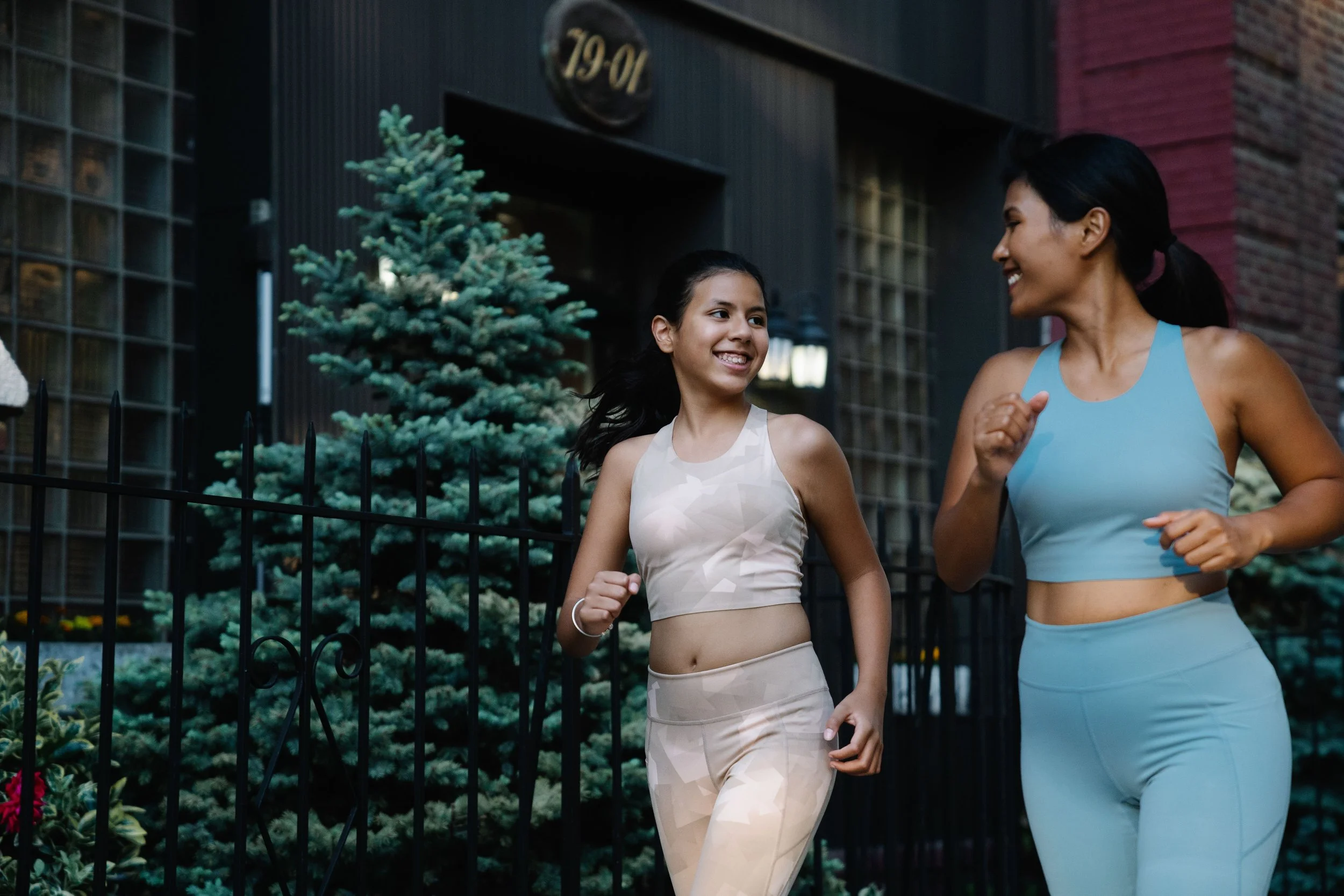
Joining a group centered around a shared hobby is a fantastic way to meet people in a low-pressure, low-stakes environment. Whether it is joining a local hiking collective, a pickleball league, an art class, or a Mahjong event, shared activities naturally remove the awkwardness of small talk. You are coming together for a common interest, which gets you off your screen and out of your head.
The beauty of these groups is that you can have different communities for different needs. You don't need to have deep, vulnerable connections with everybody.
"You can have your pickleball friends where you're just going and hitting the ball around, and your hiking friends where you are getting into deeper conversations."
And if signing up for an event and showing up alone feels like too much, simply bring a friend with you!
Prioritize One-on-One Quality Time
If large group dynamics aren't your style, focus heavily on one-on-one connections. Deep conversations are often incredibly hard to have in a large group setting.
You don't need to host an elaborate, time-consuming lunch to connect. Cultivating a relationship can be as simple as noticing a neighbor who walks at the same time you do and reaching out to ask if they want to walk together. Or scheduling a run with a friend where you can comfortably go deep and share what’s really going on in your lives.
Another beautiful way to build connection is to rethink gift-giving. Instead of buying a traditional physical gift for a friend's birthday, treat them to a shared experience. Taking a friend to an early dinner and a walk around a local lake is an incredible way to catch up and give the gift of quality time.
Plan Ahead for Retirement and Empty Nesting
For many midlife women, their social networks currently revolve around their kids' sporting events or daily office interactions. If your life right now is purely family and work, it is crucial to look ahead and ask yourself: What happens when the kids leave the nest, or when you finally retire?
Start planning now by finding an activity to dabble in, so you already have a community established or an event on your schedule when you eventually find yourself with more free time. Consider finding a cause you are passionate about; volunteering is a wonderful, feel-good way to give back while organically meeting appreciative people who share your values. Continuing to work or mentor in some capacity as you age is also a powerful way to use your brain, get out of the house, and prevent feelings of isolation.
Your Challenge This Week: Take the First Step
We want to leave you with a gentle challenge. Think about the last time someone showed up for you, or the last time you showed up for someone else just by being there. What would it take for you to build one more moment like that this week?
If you are sitting at home right now feeling a bit lonely, take that first step. Call a friend on the phone to make plans. When you reach out, avoid sending a vague text like "let's get together sometime soon." Instead, suggest a specific activity, like a walk, and pin down an actual date and time on the calendar. Go do it, put your phone away, and allow yourself to enjoy the deep, longevity-boosting benefits of social wellness.
Ready to Reset Your Wellness? If this conversation has you thinking about what you want to reset in your life, both socially and physically, check out our self-paced, 7-day functional medicine vitality reboot. It is designed not around restriction, but around giving your body a much-needed break and figuring out what actually works for you. Take care of your physical body, but remember to take care of your social soul, too.